
Be sure to follow us on Facebook for the most up-to-date information about our upcoming event!
February 14, 2026 – Valentine’s Day
“Turning Hearts”: Join us for our annual Tulsa Family History Conference.
Just A Few Words
About The Event
The Tulsa Family History Conference brings together genealogy enthusiasts of all experience levels in an accessible, one-day event designed to uncover the stories hidden in family trees. Held annually in Tulsa, Oklahoma, the conference features interactive sessions on everything from basic research techniques to advanced DNA browsing and digital record-keeping. Whether you’re just beginning to trace your ancestors or you’ve been researching for years, you’ll find class tracks and help-desk support tailored to your needs.
Throughout the day, attendees are guided through hands-on workshops, informative talks, and open lab time where experienced volunteers provide personal assistance. Sessions typically cover using key tools like FamilySearch and Ancestry, navigating regional and immigration records, managing a digital archive of family materials, and analyzing DNA results. You’ll also have the opportunity to ask questions one-on-one and receive directed support for your specific challenges, all in a friendly, collaborative atmosphere.
Where
The Church of Jesus Christ of Latter-Day Saints Stake Center
12110 E 7th St, Tulsa, OK 74128
When
February 14, 2026
8am -4pm
Beyond the structured curriculum, the conference offers time for networking—connect with fellow genealogists, share research breakthroughs, and discover community resources like local historical societies, libraries, and indexing groups. Because the event follows a fair-style format, there’s flexibility built in: drop-in help desks, browse tables full of research aids, and opportunities to explore new tools at your own pace. The goal is to leave you not only more knowledgeable but also more confident in charting your own family-history journey.
Whether you plan to bring a portable device for hands-on labs or simply want to sit and listen to breakthrough stories, this conference is crafted to empower you. You’ll leave equipped with new skills to break through your brick walls, better organized records, and a renewed sense of connection to the generations that came before. We look forward to welcoming you and helping you make unforgettable discoveries in your family history.
Classes & Workshops
Class Schedule
| 8AM | Registration & Pre-Registered Packet Pick-Up | ||||
| 8:30am-9:30am | Welcome & Opening: Keynote Speakers: Charlotte Ker & Rikisha Morgan Harrison |
||||
| 9:30am-10:30am | Interactive Activities: Bring a story, leave a legacy Compare-a-Face RelativeFinder.org |
Help Stations: Dawes Roll FamilySearch.org Scan to FS Gallery or Thumb Drive |
|||
| Chapel | Room 101 | Room 102 | Room 103 | FamilySearch Center (limit 8 – no food/drink) | |
| 10:30am-11:20am | Navigating FamilySearch (Mina Jarman) | Finding Obituaries using FindAGrave & BillionGraves (Juli Bulleigh) | Intro to AI Genealogical Integration (Dee Ann Young) | Connecting Generations across Ancestry & FamilySearch (Karli Baker) | Puzzilla.org Premium Site-free in FSC (Charlotte Ker) |
| 11:30am-12:20pm | Bloodlines in Blueprints: Understanding DNA & Ancestral Connections (Rikisha Harrison) | Organizing Your Research: Documents & Photos (Keeta Mackay) | Expanding Your Research with Wills, Deeds & Land Records (Dee Ann Young) | Evaluating Evidence (Lisa South) | Highlighting a Premium FSC Site (Linette Little) |
| 12:20pm-1:30pm | Lunch | Open for individual use | |||
| 1:30pm-2:20pm | Using Y-DNA to Find Patriarchal Bloodlines (Charlotte Ker) | Hidden Clues in Census Records (Juli Bulleigh) | Using AI as Your Tireless Research Assistant(Dee Ann Young) | TBD | FamilySearch.org Basics for Beginners Hands-on Experience (Keeta Mackay) |
| 2:30pm-3:20pm | Between Two Histories: Freedman Identity & Genealogical Research (Rikisha Harrison) | Discovering Ancestors through Land & Location using HistoryGeo.com & Family Map Books (Charlotte Ker) | Top 10 Brick Wall Solutions (Dee Ann Young) | Connecting Generations across Ancestry & FamilySearch (Karli Baker) | Highlighting a Premium FSC Site (Mina Jarmin) |
Class Descriptions
Bloodlines & Blueprints- Understanding DNA and Ancestral Connections (by Rikisha Morgan Harrison)
This workshop explores how DNA serves as both a biological blueprint and a historical roadmap, helping individuals uncover ancestral origins, cultural connections, and family relationships. Participants will learn how DNA testing can support family tree building, reconnect adoptees with biological roots, and provide deeper insight into inherited identity beyond traditional records.
Between Two Histories- Freedman Identity and Genealogical Research (by Rikisha Morgan Harrison)
This workshop explores the unique position of Freedmen descendants within both African-American and Native Nation histories. Participants will learn why researching Freedman ancestry differs from traditional African-American research, the role of the Freedmen Bureau, treaty obligations, and enrollment records, and how these sources show identity, documentation, and belonging.
Connecting Generations Across Ancestry & FamilySearch (by Karli Baker)
In this class, we will focus on building, expanding, and connecting multiple generations of family history using both Ancestry and FamilySearch. Participants will learn practical strategies for moving information to and from each platform, ensuring their research is thorough, accurate, and well supported.
We’ll explore the strengths of each system Ancestry’s user friendly interface and private, owner-controlled trees, alongside FamilySearch’s shared, collaborative global tree, which is vital for connecting families and accessing unique records. While FamilySearch offers powerful opportunities for collaboration, we’ll discuss why careful sourcing and verification are essential, since anyone can edit shared information.
You’ll also learn how to compare trees between platforms, identify discrepancies, evaluate sources, and confidently merge or connect records while maintaining accuracy and integrity in your research. By the end of the class, you’ll understand how to use both tools together effectively leveraging Ancestry for personal research control and FamilySearch for broader family connections and long term preservation.
Evaluating Evidence (by Lisa South)
Evaluating evidence in Family History work is critical and one of the most important things you need to learn in this work. This class will teach you how to analyze your sources and be confident in building your family tree accurately. It is tragic to build a large family tree and later have to cut off a huge branch because you took a “wrong turn” many generations back by not evaluating your sources carefully.
Introduction to AI Genealogical Integration (by Dee Ann Young)
Artificial Intelligence is transforming the way family history research is conducted. In this workshop, you will explore how AI can breathe new life into your research by combining traditional methods with modern technology. Learn about the latest tools and techniques that help you seamlessly blend technology with genealogical practices, opening new possibilities for discovering your family’s unique story.
Using AI as Your Tireless Research Assistant (by Dee Ann Young)
Unlock the full potential of artificial intelligence to enhance your family history projects. This session will demonstrate how AI can serve as your translator, archivist, storyteller, photo restorer, and even assist with DNA analysis. Discover practical strategies for delegating time-consuming tasks to technology, allowing you to focus more on making meaningful discoveries and less on routine work.
Expanding Your Research with Wills, Deeds, and Land Records
Delve deeper into your family history by examining the valuable details contained within wills, deeds, and land records. This class will guide you in uncovering family relationships, property transfers, and community connections that are often overlooked by traditional genealogical sources. Learn how these documents can enrich your understanding and expand the scope of your research.
Top Ten Brick Wall Solutions (by Dee Ann Young)
Every genealogist encounters obstacles, or “brick walls,” that seem insurmountable. This class introduces ten effective strategies to overcome even the toughest research challenges. Enhance your genealogical research by discovering hidden clues and leveraging contemporary resources to overcome obstacles and achieve meaningful progress.
Discovering Your Ancestors Through Land & Location: Using GeoHistory.com and Family Maps Books (by Charlotte Ker)
In this interactive workshop, participants will learn how to use GeoHistory.com and the popular Family Map Books to uncover the land, neighborhoods, and physical landscapes where their ancestors lived.
This class is designed for all levels—from beginners to experienced researchers—and will help participants visualize their ancestors’ world with clarity and confidence. Bring your curiosity and a family name you’d like to explore!
Hidden Clues in Census Records (by Juli Bulleigh)
Learn how to get the most out of census records using often-overlooked clues which can provide hints to where to look for numerous other records. We will also discuss the “FAN Club” method: looking at the records of Family, Associates, and Neighbors to help you climb over that brick wall that has you stumped.
Finding Obituaries and Using FindAGrave and Billion Graves (by Juli Bulleigh)
Learn where to find family history-rich obituaries from newspapers and funeral home records. In addition, we will be learning about the FindAGrave and Billion Graves web sites and analyzing the information they contain, as well as discovering how you can help to add data to these free, volunteer-supported sites.
Navigating FamilySearch (by Mina Jarman)
This class introduces participants to the powerful and completely free tools available at FamilySearch, one of the world’s largest genealogical resources. Attendees will learn how to build and expand a family tree, explore key FamilySearch features, and understand how collaboration works within a shared global tree.
Organizing Your Research & How to Effectively Organize Documents & Photographs (by Keetah Mackay)
This class will cover some forms available for organizing research and why you should use them. An emphasis will be placed on creating a simple, consistent, and maintainable genealogy filing system for forms, documents, and photographs. Key considerations include naming conventions for documents and photographs, organizing files hierarchically or by last name, and regularly backing up digital files in multiple ways.
FamilySearch.org Basics (by Keetah Mackay)
This hands-on class offers an introduction to FamilySearch, covering account setup and navigation of the homepage tabs: Family Tree (building your tree), Search (finding records), Memories (photos/stories), Get Involved (indexing/contributing), and Activities (fun, shareable family history games), guiding beginners through their first steps in genealogy.
These Are
Our Speakers
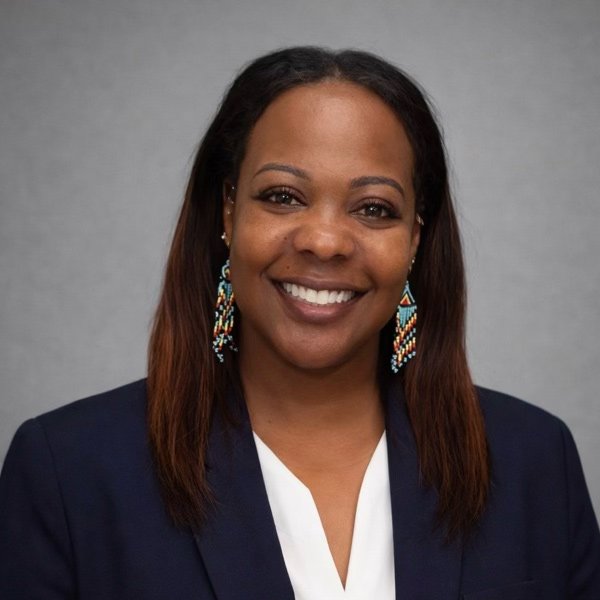
Rikisha Morgan Harrison
Rikisha Morgan Harrison is the founder of Relic Roots, a heritage-based organization in Muskogee, Oklahoma dedicated to helping individuals and families uncover their genealogy, learn their stories, and reconnect with the ancestors who came before them. A passionate genealogist and storyteller, Rikisha believes that understanding the past holds the key to healing, growth, and purposeful living.
As a descendant of Nancy Ward, the Cherokee Beloved Woman, and with Muscogee Creek ancestors, Rikisha carries ancestral wisdom and historical responsibility into her work. She is the author of four published books that help families document their lineage, understand roles, express emotions, and navigate the journey of discovering their roots.
She co-founded the Muskogee BRICK Optimist Club, creating spaces of hope, leadership, and service for youth, and serves on the board of the Tullahassee Wildcats Foundation, preserving the legacy of Tullahassee which is Oklahoma’s oldest historically all-black town. Rikisha is also a proud member of Gamma Phi Delta Sorority, Daughters of the American Revolution, and works as Research Curator Manager at the Oklahoma Indian Territory Museum of Black Creek Freedmen History. She is currently enrolled as a Cherokee Freedman.
Known as “Your Ancestor Ambassador,” her mission is simple: to inspire others to embrace their roots and keep their family stories alive as a source of strength and healing.
Rikisha wholeheartedly believes that exploring roots can uncover resilience, courage, and stories that shape identity. Learning about the achievements of her ancestors, despite their limited resources, inspires her to believe that anything is possible. By learning about ancestors and telling their stories, she honors their memory and ensures they are remembered. Her goal is to empower others to confront their own traumas, armed with the knowledge that healing begins with understanding who they are.
Alongside her heritage work, Rikisha is a healthcare leader serving as Manager of Provider Network Administration at a FORTUNE 500 company. With expertise in network operations, provider relations, and data analytics, she uses strategy and collaboration to strengthen systems and improve outcomes across complex healthcare networks.
Raised in Muskogee and surrounded by deep history, Rikisha’s love for genealogy began early and continues to guide everything she does. Her work is rooted in a powerful belief:
“Learn who you are so that you can determine which way to grow up.”
Lisa South
Lisa South is a certified genealogist, has served two missions for the Church of Jesus Christ of Latter-day Saints in the Family History Department. She served for over 30 years in Family Search Centers, has worked as a professional genealogist and taught courses for continuing education. Lisa is married, and has four children, nine grandchildren and eight great-grandchildren.
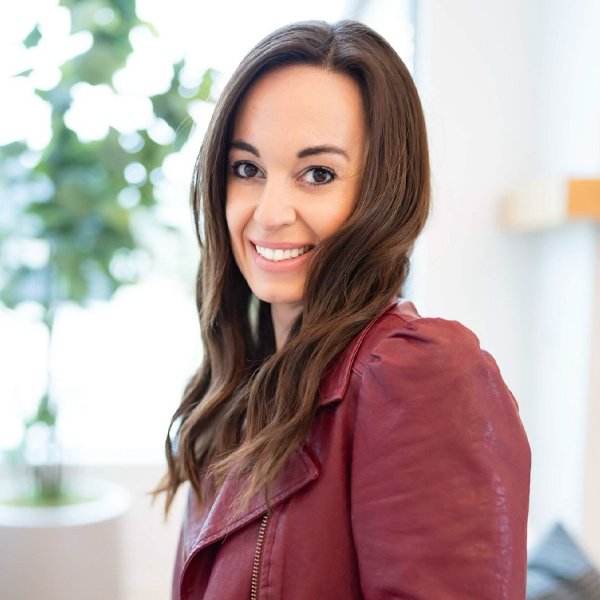
Karli Baker
Karli Baker is one of the organizers of this year’s Tulsa Family History Conference and will be teaching a workshop on connecting Ancestry with FamilySearch. Originally from Sandy, Utah, Karli developed a deep love for family history early in life, a passion that has only grown through her unique opportunity to research both her adoptive and biological family lines.
Karli has served a combined eight years as a family history consultant in both North Carolina and Tulsa. She is a mom to three beautiful children and the wife of a hardworking, always on the go ER doctor. A licensed realtor with a background in dental assisting, Karli brings the same care, organization, and dedication from her professional life into her work helping others discover their ancestors.
Traveling with her family is her favorite hobby, but helping people find meaningful connections to those who came before them is her true joy. She is grateful for the spiritual and personal connections she has made through family history and loves empowering others to experience that same feeling.
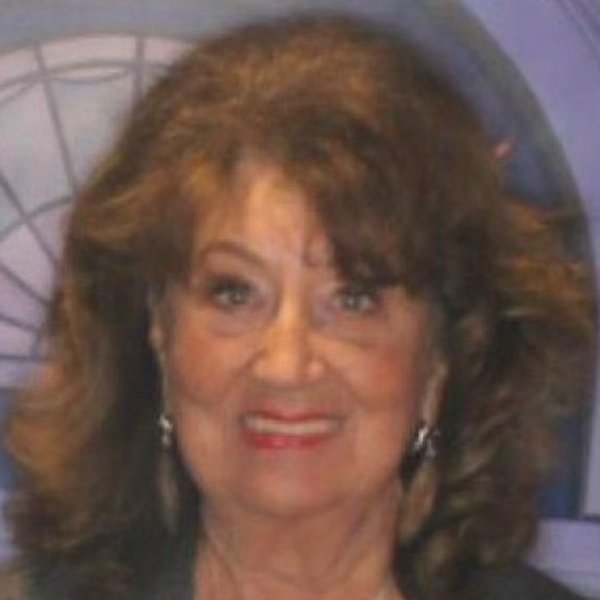
Barbara Kroll
Hi, I’m Barbara Kroll and I’ve been loving Family History since I found out my Native heritage and I was a member of the Cherokee Tribe. I was born in Tahlequah a few years ago and lived in rural area near there until I was 13. We then move to Muskogee where I graduated HS. I then went on to Bacone College where I received my Associate degree. My sister Beverly and I moved to OKC to work and there I met my husband Gary Kroll who was playing baseball for the OKC 89ers a AAA team for Houston Astros. We were married and then spent the next 5 years in Baseball. Gary retired from baseball and we settled in Tulsa after which I began my journey in genealogy. I began volunteering In the Family History Center and so began 45 years of the most fascinating years of my life. my journey there has been one wonderful find after another tracing my family roots. Helping others there find theirs in The FHC has been so satisfying and fulfilling. I hope to volunteer there til I can’t anymore.
My work with my native ancestors was within the FHC walls, with film and books.. now it’s so much easier to research by computer.
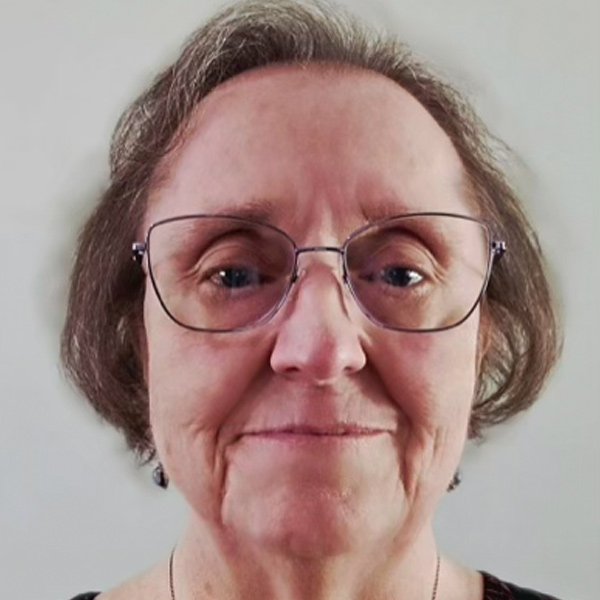
Mina Jarman
Mina Cherry Jarman was born in Ogden, Utah, 35 miles North of Salt Lake City, Utah. As a child she was taught the importance of Genealogy and Family History. She remembers her mother filling out pages of Family Group Sheets and Pedigree Charts. One of her early memories is sneaking upstairs at her grandmother’s house and reading the stories of her ancestors’ lives. It was then that her love of genealogy began.
While a student at Weber State College in Ogden, Utah she attended her first formal class on Genealogy. Much of her early informal education came through doing her own family’s research at the Salt Lake Genealogical Library in Salt Lake City. After raising her four boys and following her husband’s career moves around the country, she found the opportunity to attend Brigham Young University, Idaho through the University’s Pathways Program. She completed a certificate Program in Family History Research in 2012 and in 2014 graduated with an associate degree in Genealogical Research and Family History with an emphasis on German Research. She has been engaged in Genealogy and Family History for over fifty years. Grateful to her ancestors for the foundation they left behind of faith and trust in God, and perseverance to reach for a better life.
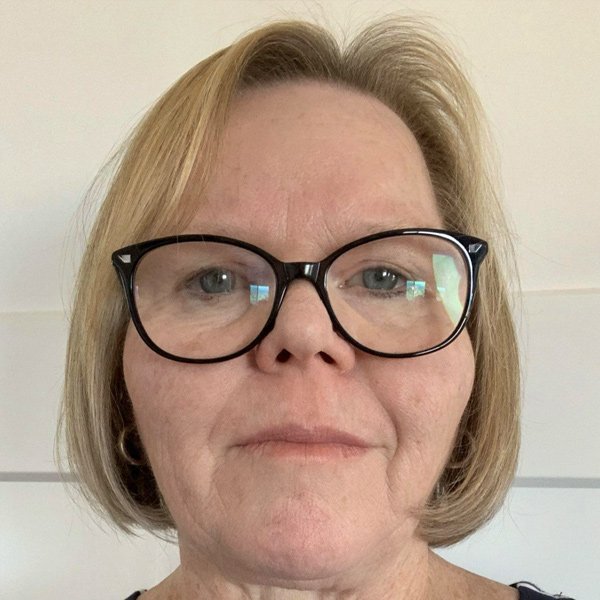
Dee Ann Young
With more than four decades of expertise in genealogical research and studies, her passion for uncovering the stories of elusive ancestors continues to drive her work. Her primary areas of expertise are United States and British genealogy research, where she has developed a deep understanding of resources and methodologies specific to these regions. From 2016 to 2019, Dee Ann served as the Director of the Annual Buffalo, New York Family History Fair. In this role, she played a pivotal part in organizing and overseeing the event, fostering community engagement and learning among genealogy enthusiasts. She is a frequent lecturer, sharing her knowledge on a wide range of genealogical topics. Her commitment to education is further demonstrated by her service at several Family History Centers across the country, where she has provided guidance and support to individuals seeking to trace their family histories. Dee Ann earned her Bachelor of Fine Arts (BFA) degree in 1978.
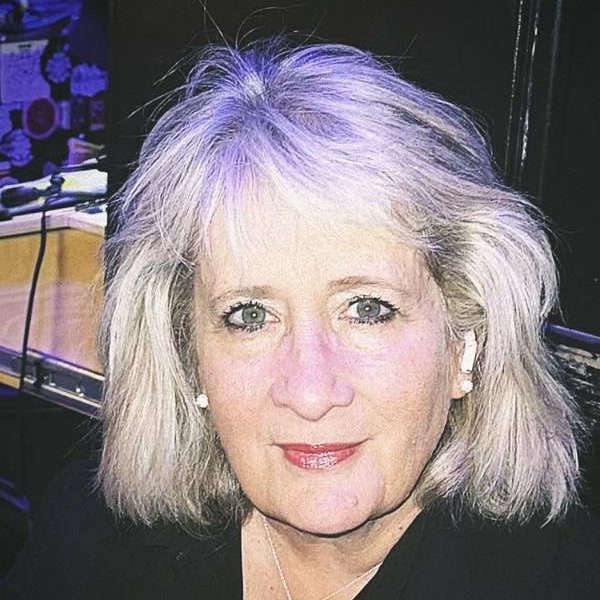
Charlotte Myers Ker
Charlotte Ker is a family history enthusiast whose passion is rooted in connection—connection to her ancestors, to her children and grandchildren, and to the generations yet to come.
Her research focuses on uncovering the lives of those who left few written traces—people like her cousin Gulielma, her Uncle Will and Aunt Sis, and others whose struggles and triumphs continue to strengthen and ground her. Charlotte believes that family history is far more than names and dates; it is a healing, stabilizing force that allows us to feel the presence of those on the other side during life’s hardest moments.
Charlotte teaches with a simple mission: to help others discover their own people, claim their heritage, and feel the powerful grounding that comes from knowing where—and who—they come from.
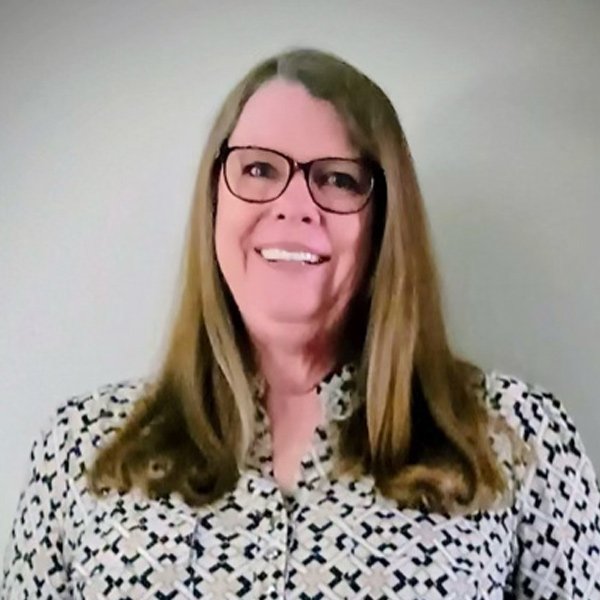
Keeta Mackay
I discovered the captivating world of family history after moving to Mesa, Arizona. My neighbor was a professional genealogist, and she sparked my interest. My passion grew through extensive learning at RootsTech and the Mesa FamilySearch Library, where I later served a mission. Now, I dedicate my time to teaching and organizing family history classes at churches, libraries, and community centers. For me, genealogy is more than a hobby; it’s a passion that empowers others to connect with their past and find their own stories.
Juli Bulleigh
A native of Tulsa, Juli Bulleigh is a retired accountant and mother of a large family. She began family history research in 1970, when it was all done by in-person research or written correspondence, and has continued to learn as new tools and resources have become available. She was a librarian in the local Family History Center for 28 years, and was the director for 8 of those years, and she has presented in numerous family history conferences. She has experience with all types of genealogical records, but her most extensive research is in New England, Pennsylvania, and the Midwestern states, as well as in French Canadian records. She has had additional training in paleography (reading old handwriting) and in using DNA to help solve family mysteries, and she is currently enrolled in a course in reading old German documents. Her favorite activity is hanging out with her children, grandchildren, and great-grandchildren … she loves the utter chaos when they are all together! Other hobbies include reading, quilting and scrapbooking (recording present family history for future generations).
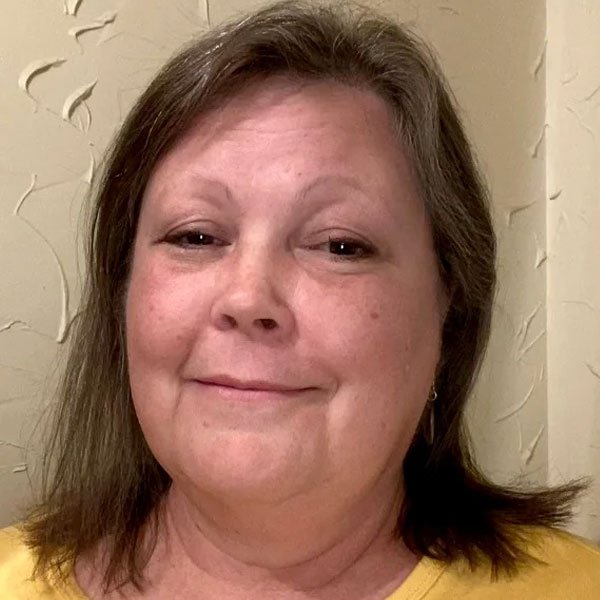
Linette Little
Family History Consultant for 26 yrs, and I love to explore my own family mysteries. I am basically self-taught with help and guidance from excellent friends & leaders. I really enjoy working with others to findtheir own solutions with family.
Where
The Church of Jesus Christ of Latter-Day Saints
Stake Center
12110 E 7th St, Tulsa, OK 74128
Uncover Your Family’s Story
Register for our conference today!
Don’t miss the chance to uncover your family’s story and gain hands-on experience with the best genealogy tools available. The Tulsa Family History Conference is free, open to the public, and packed with practical knowledge you can apply immediately—whether you’re a beginner or a seasoned researcher.